Top Electronics Recycling for Residential Drop-Off
Sustainable Solutions: How E-Waste Recycling Services Are Saving Our Planet
Electronic waste presents serious dangers to the environment, as disposed electronics frequently harbor hazardous substances. Such dangerous compounds can pollute soil and water supplies, causing extensive damage to surrounding ecosystems. Electronic waste recycling programs offer an effective remedy. They successfully retrieve useful resources while simultaneously minimizing environmental pollution. Comprehending the operation of these services and their influence on communities is of great importance. The journey towards effective e-waste management raises critical questions about individual responsibility and collective action. What steps can be taken next?
Why E-Waste Is Bad for the Planet
Even though technology enriches our daily lives, electronic waste presents considerable environmental hazards. Abandoned electronic gadgets, often containing dangerous compounds like cadmium, lead, and mercury, may release harmful substances into groundwater and soil, presenting dangers to human health and ecosystems. The swift progression of technology results in increased consumer turnover of electronics, exacerbating the accumulation of electronic waste.
Landfills, already overwhelmed with refuse, find it difficult to handle the increasing amounts of discarded devices. Incineration, another disposal method, releases harmful pollutants into the atmosphere, contributing to air quality degradation. Moreover, poor recycling procedures can cause e-waste to be sent to developing regions, where employees may disassemble electronics without sufficient safety precautions, leaving them vulnerable to harmful substances. This cycle of neglect and improper handling underscores the urgent need for sustainable recycling solutions that can mitigate the adverse effects of e-waste on the planet.
Understanding E-Waste and Its Significance
Electronic waste, commonly known as e-waste, comprises discarded electronic devices like televisions, computers, and smartphones that have exceeded their operational lifespan. This rapidly expanding waste category is noteworthy due to its rapid accumulation, propelled by advances in technology and evolving consumer behaviors. As growing numbers of electronics become outdated, the environmental impact intensifies, with toxic materials such as lead, mercury, and cadmium presenting serious hazards to the environment and human well-being.
Addressing e-waste is crucial not only for reducing these dangers but also for acknowledging the precious materials found within it. Valuable metals and rare earth materials can be extracted and repurposed, lessening the demand for mining and preserving natural resources. Through a deeper awareness of e-waste and its consequences, both individuals and organizations can make well-informed choices regarding disposal and recycling, thereby supporting a more sustainable future. Proper management of e-waste is essential for fostering a circular economy and promoting environmental stewardship.
How the E-Waste Recycling Process Works
The recycling of e-waste encompasses a structured approach aimed at reclaiming useful resources while minimizing environmental impact. Initially, e-waste is collected and transported to purpose-built recycling plants. After reaching the facility, the equipment is meticulously organized to distinguish harmful elements from reusable resources.
Next, employees dismantle the items, removing plastics, metals, and glass. This stage is crucial, as it makes possible the extraction of rare metals like silver, gold, and copper, which can be reused in new electronics.
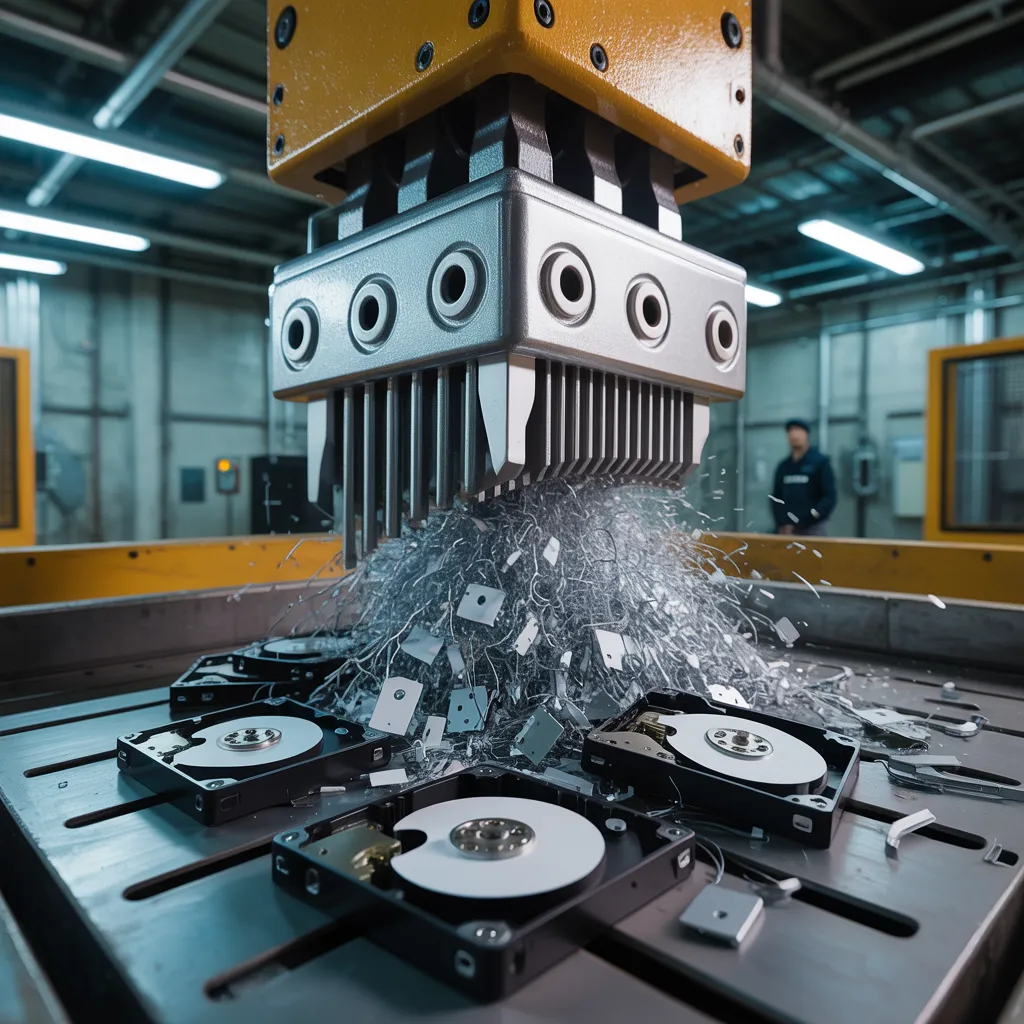
Following this, the isolated materials are processed with advanced techniques, such as shredding and specialized chemical treatments, to cleanse them for reuse.
Finally, the remaining hazardous waste is handled with responsibility, following environmental guidelines. This systematic method not only preserves valuable resources but also minimizes the hazards connected to improper e-waste disposal, guaranteeing a greener future for the consumption of electronics.
How E-Waste Recycling Benefits You and Your Community
While many individuals may not realize it, the advantages of e-waste recycling extend beyond personal convenience to positively impact entire communities. By responsibly disposing of electronic waste, individuals play a role in creating a safer environment, decreasing harmful substances that can seep into soil and water. This proactive approach works to protect local ecosystems and advances public health.
In addition, the recycling of e-waste encourages employment opportunities within local communities. Nearby recycling establishments regularly need employees for various operations, spanning collection through processing, therefore offering work opportunities for local residents. This not only enhances the community economy but also encourages community engagement in sustainable practices.
In addition, understanding of e-waste recycling may result in learning opportunities, equipping residents to embrace sustainable practices. By enrolling in e-waste recycling programs, individuals promote a culture of sustainability, prompting others to follow suit. Ultimately, the combined impact of these actions can contribute to a more strong and environmentally aware community.
A Guide to Selecting an E-Waste Recycling Service
Picking the most suitable e-waste disposal service is vital for ensuring that electronic refuse is handled responsibly and sustainably. To begin, people should confirm the company's credentials, such as R2 or e-Stewards, which demonstrate compliance with industry standards for secure waste Try it free disposal procedures. It is equally important to assess the provider's credibility by reading customer reviews and seeking recommendations from trusted sources.
Next, openness in the recycling process is crucial. A trustworthy provider should offer detailed insights about the manner in which e-waste is managed and what becomes of the materials. Additionally, assessing the variety of services available can be advantageous; certain providers may offer collection services or present rewards for recycling.
In addition, understanding regional rules concerning e-waste disposal can help inform the choice of disposal method. When these considerations are given priority, individuals can contribute to responsible e-waste disposal while supporting eco-friendly habits.
How You Can Take Part in E-Waste Recycling?
Participating in e-waste recycling often starts at the local level, where local recycling facilities frequently offer essential services for safe disposal. Additionally, taking part in community awareness campaigns can amplify efforts to raise awareness about the importance of ethical e-waste practices. Such efforts not only encourage sustainable practices but also build a collective sense of accountability for the environment.
Local Recycling Centers
Numerous neighborhood recycling stations perform an important function in recycling electronic waste, giving communities practical solutions to discard electronic waste in an eco-friendly way. These hubs welcome a range of digital devices, including aging computers, cell phones, and television sets, guaranteeing that dangerous substances are processed safely. Many hubs feature experienced team members who support individuals in understanding proper disposal practices, stressing the significance of recycling instead of landfilling. In addition, many centers offer planned drop-off gatherings or set collection days, enabling residents to engage without difficulty. By engaging with these local facilities, community members advance a circular economy, reducing environmental impact and promoting sustainable practices. Partnering with these facilities encourages communities to fight e-waste pollution decisively.
Community Outreach Campaigns
Local organizations, schools, and businesses can collaborate to host events that promote e-waste collection drives. Dedicated participants can take a leading part in spreading awareness, distributing educational materials, and engaging with the community. As a result of these combined actions, residents become more informed and motivated to recycle their electronic waste, thereby helping to build a greener and more sustainable tomorrow.
Common Questions and Answers
What Kinds of Electronics Can Be Recycled?
Various electronics can be recycled, including smartphones, computers, laptops, televisions, printers, and gaming consoles. Additionally, peripherals such as mice, keyboards, and batteries are equally appropriate for recycling, aiding in eco-friendly conservation initiatives.
Is There a Cost Associated With E-Waste Recycling?
Yes, electronic waste recycling sometimes comes with charges, subject to the facility. Some facilities impose charges for collection or processing, while others make services available at no charge, often subsidized by the sale of reclaimed components.
What Are the Benefits of E-Waste Recycling for Businesses?
Organizations can gain from e-waste recycling by minimizing disposal costs, strengthening their ecological standing, meeting compliance standards, reclaiming useful materials, and potentially generating revenue through resale, thus supporting a greener and more sustainable operational framework.
What Becomes of Data on Recycled Devices?
Information regarding repurposed equipment is often permanently erased or obliterated during the refurbishment process. This guarantees private details stays protected, blocking unwanted intrusion while permitting resources to be reused securely and sustainably within new applications.
Are Broken Electronics Eligible for Recycling?
Indeed, damaged electronics may be recycled. A wide range of collection points take in broken devices, ensuring proper disposal and extraction of recoverable materials. Doing so helps decrease environmental impact while promoting responsible recycling practices to control electrical waste properly.